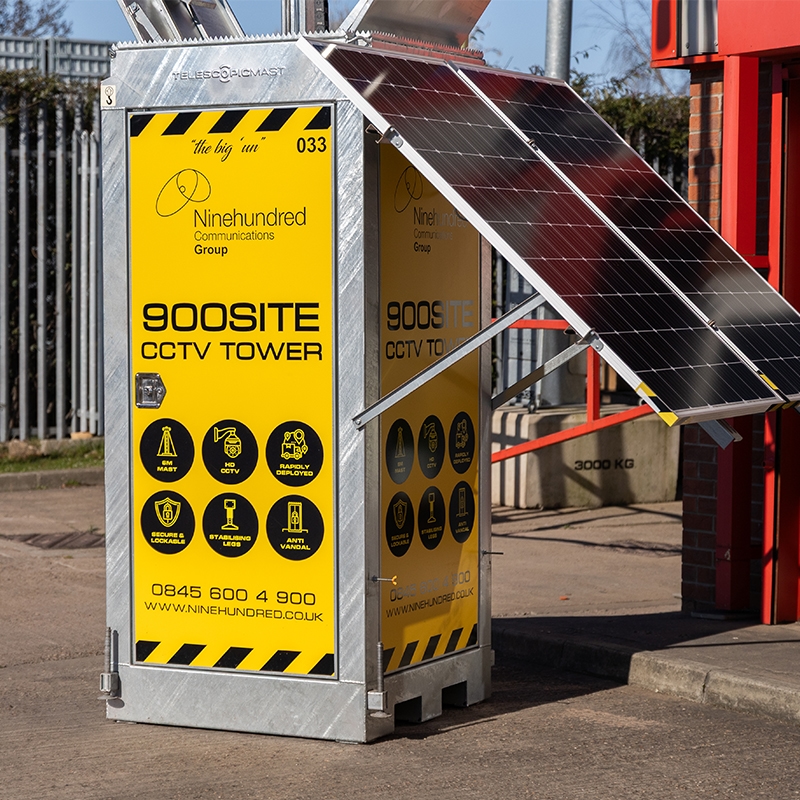
Construction sites are often targets for theft, vandalism, and unauthorized access, making security a critical concern. CCTV towers provide a highly effective way to monitor these sites in real-time, especially when traditional security systems might be impractical due to the size or remoteness of the site.
By setting up a CCTV tower at strategic points around the site, construction managers can keep a close eye on potential threats, monitor worker activity, and ensure that equipment and materials remain secure. Many CCTV towers come equipped with high-definition cameras, night vision capabilities, and motion detection, allowing for 24/7 surveillance.
A mobile CCTV tower can also be quickly moved to areas where additional monitoring is needed, offering flexibility as the construction site evolves over time.
2. Rail and Infrastructure Monitoring
For the rail industry, CCTV towers serve as a crucial tool for monitoring tracks, stations, and maintenance facilities. With long stretches of railway lines and remote locations that are difficult to monitor continuously, CCTV towers provide an essential layer of security.
In addition to detecting unauthorized access and preventing theft or vandalism, these towers can be used to monitor the condition of infrastructure, track maintenance activities, and the safety of passengers in and around train stations. Real-time footage can help ensure safety protocols are followed and can serve as evidence in case of incidents or accidents.
Mobile CCTV towers can also be deployed along rail lines during construction or track repairs, offering continuous surveillance in hard-to-reach areas.
3. Event Security and Crowd Control
Public events, such as festivals, sporting events, and concerts, often attract large crowds, which can pose security challenges. CCTV towers offer an effective way to monitor crowd behavior, identify potential risks, and manage security personnel.
With panoramic views and high-definition cameras, CCTV towers can capture footage of large gatherings, helping security teams spot any unusual behavior, such as crowd surges, fights, or theft. The ability to access live footage remotely allows event organizers to make quick decisions to prevent incidents before they escalate.
In addition, CCTV towers can be used to monitor entrances and exits, ensuring that people are entering and leaving the event safely and that no one is entering without proper authorization.
4. Remote Site Surveillance
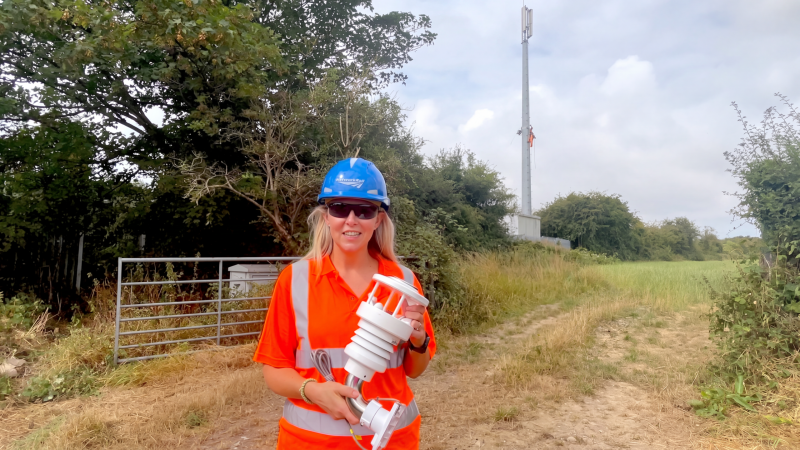
In remote locations where permanent security infrastructure is not feasible, such as in mining sites, oil rigs, or temporary construction projects, CCTV towers offer a practical, cost-effective solution. These towers can be deployed quickly and provide high-quality surveillance in areas that lack a stable power source or communication network.
Solar-powered CCTV towers can be an excellent option for remote locations, as they operate independently of the grid, reducing energy costs and providing continuous monitoring without the need for traditional power sources. With features such as wireless connectivity and motion detection, these towers ensure that security teams can monitor the site from a distance and receive alerts in case of suspicious activity.
5. Crime Prevention and Public Safety
CCTV towers are widely used in public spaces such as city streets, parking lots, and shopping centers to deter crime and enhance public safety. By strategically positioning these towers in high-traffic areas, security teams can continuously monitor for criminal activity, accidents, or emergencies.
The presence of visible CCTV towers can act as a deterrent to would-be criminals, knowing that their actions are being recorded and monitored. Furthermore, the ability to access real-time footage helps authorities respond quickly to incidents, ensuring faster resolution and potentially preventing further harm.
Mobile CCTV towers are particularly valuable in locations that experience fluctuating traffic or where permanent surveillance infrastructure may not be viable.
6. Disaster Response and Emergency Situations
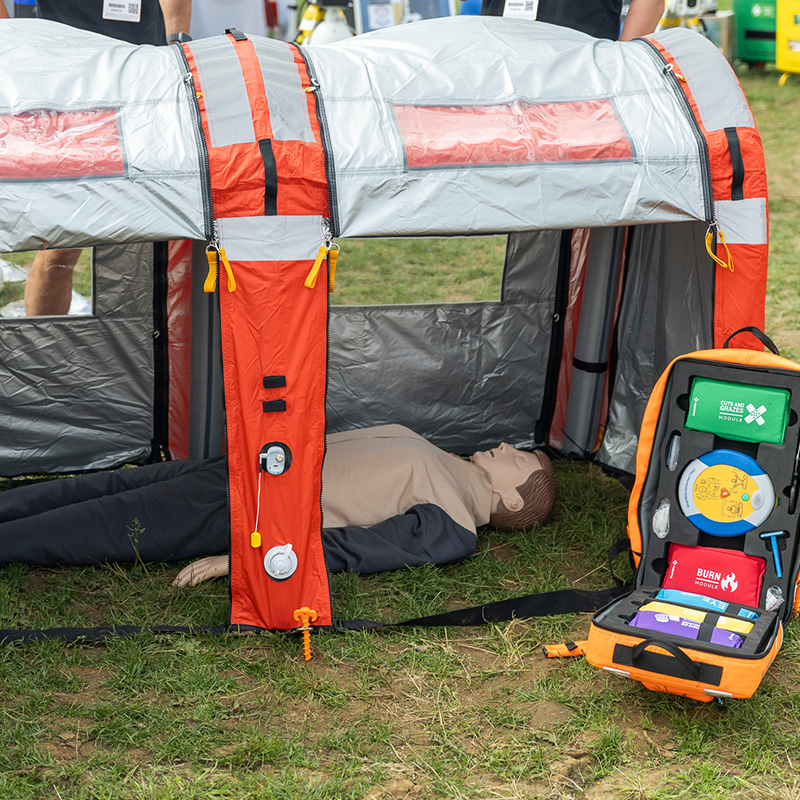
In the event of a disaster, whether natural (such as floods or fires) or man-made (such as accidents or security threats), having access to reliable surveillance can be critical for managing the situation and coordinating a response. CCTV towers are often deployed in disaster response efforts, where they provide an overhead view of the affected area, monitor the movement of emergency services, and help direct resources to where they are most needed.
These towers can also help monitor evacuation routes, ensure public safety during emergencies, and provide authorities with live footage to assess damage and respond more effectively.